The Art Directors Club (ADC) Talent Award recognizes young creatives for outstanding achievements in communication and design. In addition to the submissions, the jury also honors the most groundbreaking communication projects by emerging creatives with the iconic bronze, silver, and gold nails in the categories of semester projects, final theses, and practical work. This year, the Faculty of Design at the HAWK University of Applied Sciences and Arts in Hildesheim won 3 gold, 5 silver, and 13 bronze nails, as well as 16 other awards.

The submission team, consisting of Prof. Sabine Cole, Prof. Mathias Rebmann, Prof. Franziska Junge and lecturer Sebastian Haus, commented on the result as follows: “This year we are particularly pleased with the creative diversity of the submitted and awarded works. They demonstrate the conceptual and design skills of the students from our 9 fields of expertise, and furthermore, what can be achieved in our faculty's workshops – in this case, the woodworking shop, the printmaking shop and the lighting lab – from creative coding to soldering buzzers.”

Gold

The project “GayBossyGott,” a group project led by Prof. Sabine Cole, was awarded gold, four silver, and one bronze. The team of 25 design students eschewed traditional design methods, instead deliberately embracing chance and spontaneous creativity: texts emerged from dreams, social media quotes, and Dadaist poems, while titles and subtitles were playfully developed using letter cookies. The project humorously poses the question of whether unbridled inspiration can be at least as productive as artificial intelligence.

The “Election Pub” by Chérise Barthel and Lea Noa Wäcken received one gold and two bronze awards for their mobile election festival, a dialogue platform in Saxony. Through a self-built and programmed election-themed arcade machine and regional design elements, they promoted accessible and collaborative political participation.

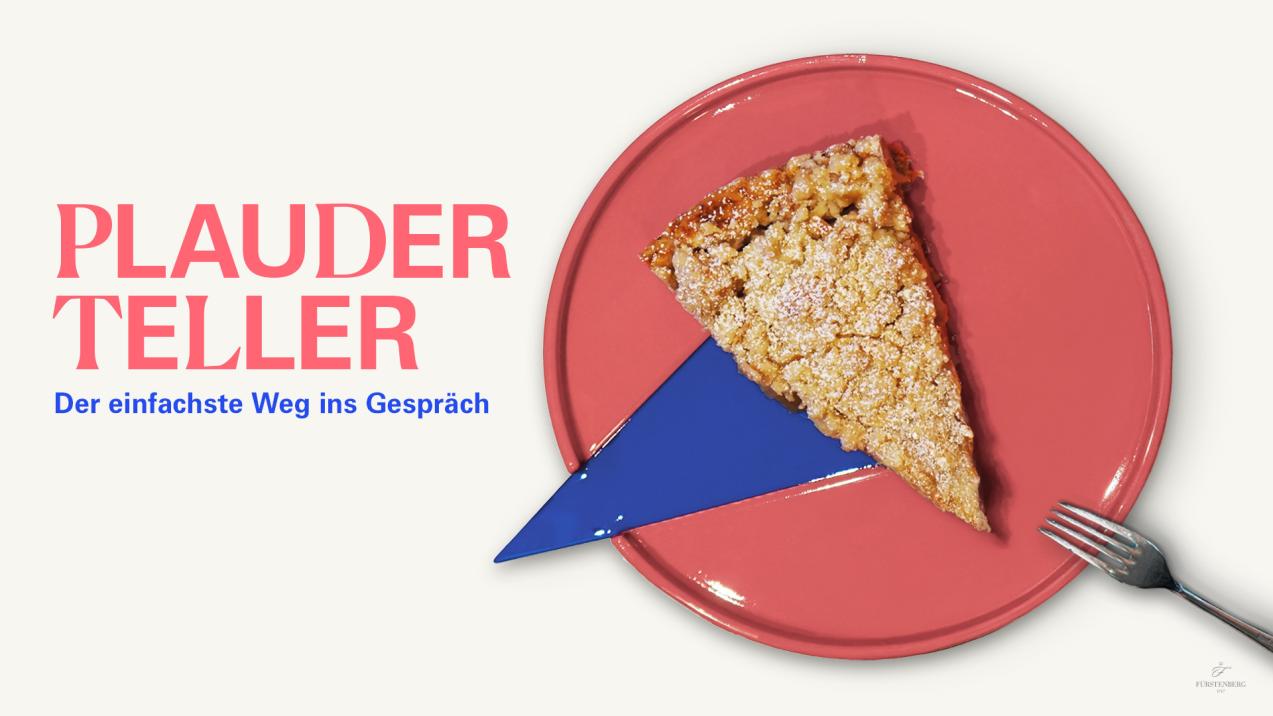
A third golden nail and a bronze one went to “Plauderteller” by Anneke Schütze and Ines Hamm, a project that uses a specially designed plate and conversation prompts on napkins to encourage intergenerational encounters and social cohesion in everyday life.

Silber and Bronze

A silver and a bronze nail went to "Do You See Me...Still?" by Jennifer Burgdorff. Inspired by Ruben Pater, she documented every single advertisement she encountered in just one day, creating a book with 187 illustrations that vividly illustrates the omnipresence and impact of advertising in everyday life.

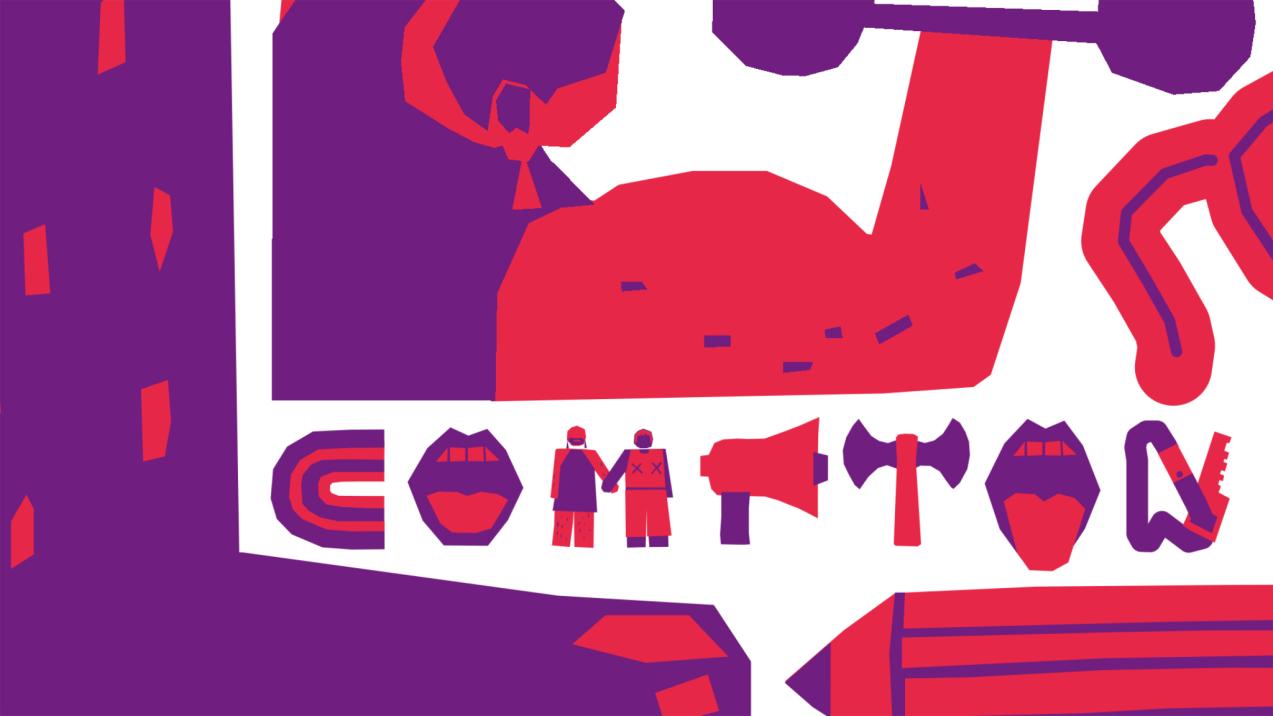
Two bronze nails were awarded to "Compton" by Joyce Ulmer: With a custom-designed typeface, the project advocates for the visibility and self-determination of FLINTA* and especially TINA* individuals in design, making a powerful statement for greater diversity and queerness.

Bronze also went to “Zukunftswahl” by Florian Gutnoff, who used artificial intelligence to visualize party programs as busy pictures, thus making political content accessible in a clear and neutral way.

Fiona Gutschke and Olena Poroskun accepted the bronze award on behalf of the illustrators of "Guilty Pleasures." This colorful calendar uses humorous risograph prints and augmented reality to highlight small, human foibles and invites self-reflection.

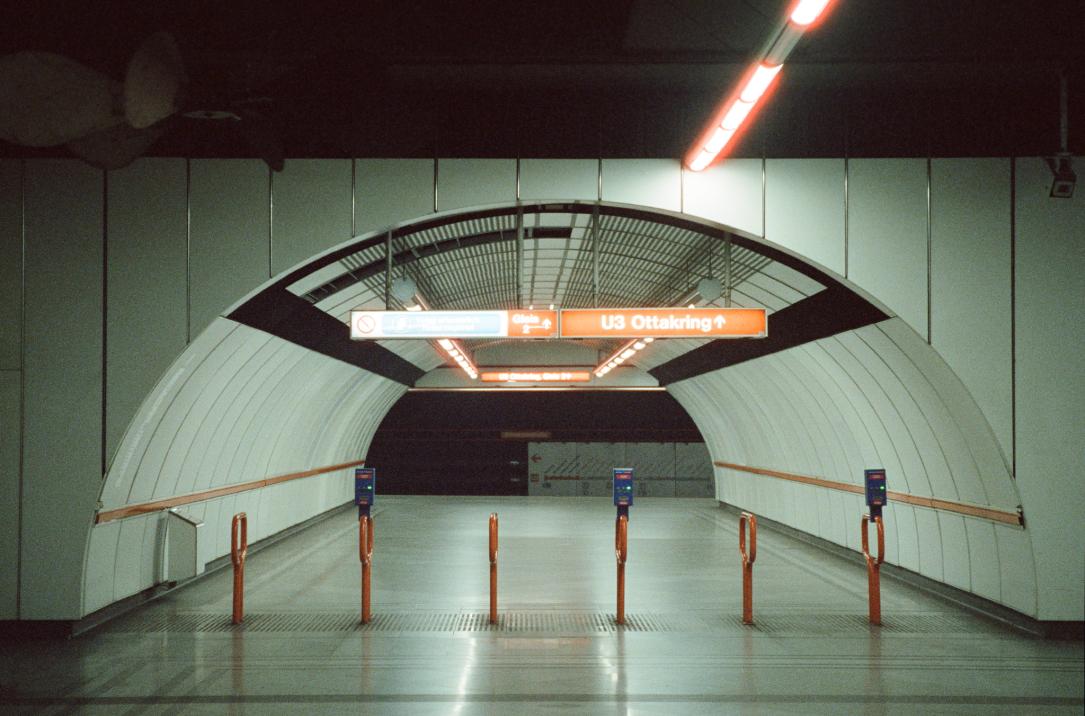
Chris Knall's "Next Stop: Heterotopia" also received a bronze award. In analog photo books, he explores urban counter-spaces in the style of Foucault, combining artistic staging with social commentary.

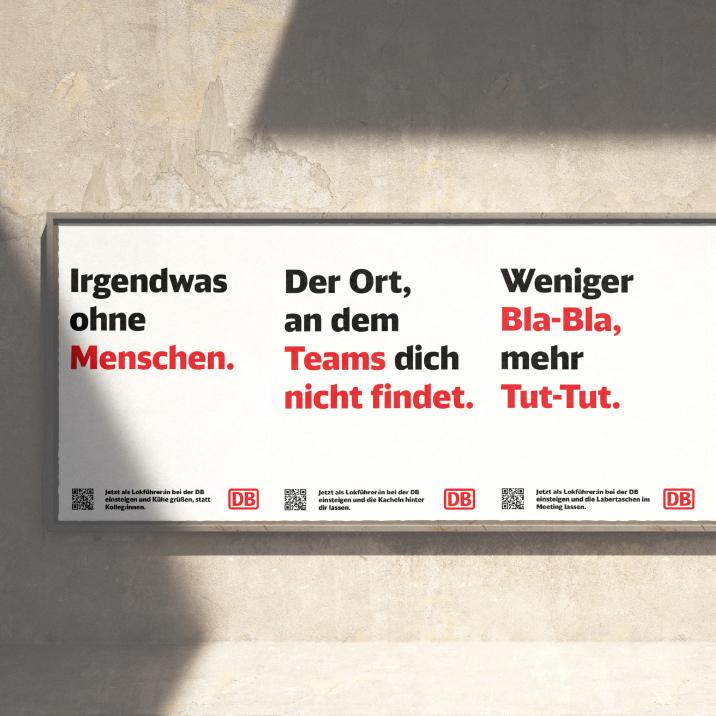
"All Aboard Now" by Ann Carolin Krause, Karena Lange, and Paul Hartmann won bronze for its exceptional recruitment poster campaign, which uses wit and strategic changes of location to present a fresh perspective on the profession of train driver.

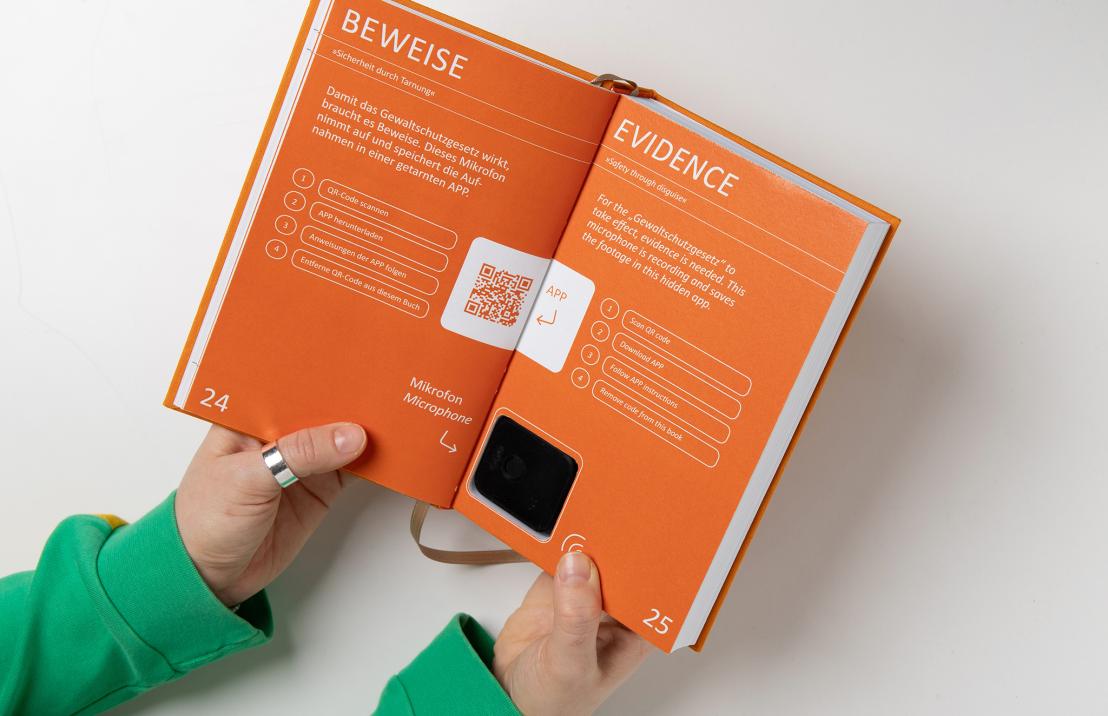
Another bronze award went to Franka Althaus's "The Law as a Weapon," whose impressive campaign and visual impact raise awareness of the need for protection against domestic violence.

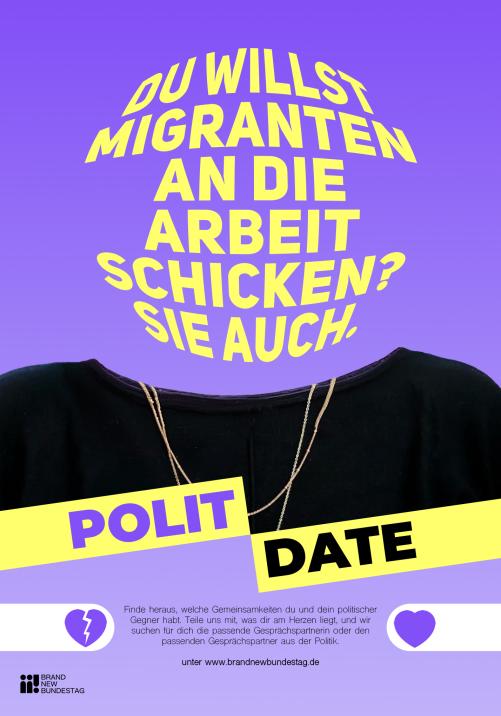
Furthermore, “Polidate” by Asaad Mahmoud received a bronze award: His project brings together politicians and people with different political views in a blind date format, thus promoting low-threshold democratic dialogue and strengthening discourse in the digital space.

Gold, 4 Silver, Bronze for "GayBossyGott"

Group work under the direction of Prof. Sabine Cole

The project brings fresh momentum to the often methodically and purposefully oriented design education: Instead of classic processes such as Design Thinking or Double Diamond, chance acts here as a creative impetus. 25 design students leave reason behind and deliberately venture into the unplanned. This playful approach is particularly evident in the writing process: Titles and subheadings are created under time pressure using letter cookies. Texts emerge from random finds – from dreams and overheard conversations to Dadaist poems and spontaneous quotes from social media feeds. The project celebrates the ease of design and the creative madness far removed from conventions, asking with a wink: Who needs AI when you have a wildly collected source of inspiration?


Students: Khadijah Ayinla, Alina Beckedorf, Tina Böse, Priya Brander, Leonie Brunsmann, Semina Comor, Constanze Franken, Jessica Garius, Martin Gnadt, Mascha Grünhagen, Paul Hartmann, Julian-Paul Höcker, Lara Köhler, Ann Carolin Krause, Katerina Kröker, Romy Leihsa, Josefine Naß, Elisabeth Ort, Carolina-Johanna Piechatzek, Maja Prassol, Laura Saizew, Sina Schönebeck und Oguz Dede.

Gold and 2 Bronze for "Die Wahlkneipe"

By Chérise Barthel and Lea Noa Wäcken

In the super election year of 2024, and in light of the rise of the AfD in East Germany, Chérise Barthel and Lea Noa Wäcken chose a practical approach: Instead of classic poster campaigns in West German cities, they sought direct dialogue on the ground in Saxony, in rural areas. After intensive research in Chemnitz and the surrounding region, they developed a scalable election festival concept that promotes political participation in an accessible and communal way. The centerpiece is the "election pub", a mobile arcade station where the current election-O-Mat can be "played" together a low-threshold impulse for encounter and discussion. With a regionally typical, deliberately unpretentious design, they draw on local festival traditions and create space for exchange between young and old. The test phase showed that the election festival concept motivates dialogue and fosters community uncomplicated and fun.

Gold and Bronze for "Plauderteller"

By Anneke Schütze and Ines Hamm

Driven by the desire to creatively bridge the social divide between young and old, Anneke Schütze and Ines Hamm have developed an innovative project that addresses demographic change with a practical, everyday idea. At its heart is a specially designed "chat plate": ordering cake on this plate signals a willingness to talk and invites others to join the conversation. The concept is complemented by napkins with friendly conversation starters that can break the ice and reduce any initial awkwardness. Through this simple ritual of encounter, the project creates new opportunities for intergenerational dialogue and fosters cohesion and mutual understanding in a changing society.

Silver and Bronze for "Siehst du mich…noch?"

By Jennifer Burgdorff

Inspired by Ruben Pater's estimate from "Capslock," Jennifer Burgdorff documented every single advertisement she encountered within 24 hours—from posters to smartphone banners. In total, 187 illustrations were compiled, vividly demonstrating how many advertising messages are unconsciously perceived every day. The resulting book project, with its physical presence and numerous illustrations, invites readers to question their own perceptions and reflect on the influence of advertising on everyday life. The book's tactile quality underscores the sheer volume and constant presence of advertising, thus sharpening our awareness of the omnipresent information overload.

2 Bronze for "Compton"

By Joyce Ulmer

Joyce Ulmer's "Compton" project makes a powerful statement for the visibility and self-determination of FLINTA* people, especially TINA* people in an increasingly discriminatory society. With a custom-designed typeface, the project creates a medium that confidently places diversity and queer realities at its center. The "Compton" typeface, developed by a FLINTA* person, is intentionally provocative and bold, while simultaneously addressing the positive aspects of gender and sexual diversity. It focuses on experiences related to beauty ideals, gender roles, sexuality, queerness, equality, menstruation, and literature. The project sees typography as an important first step toward greater visibility and diversity in a male-dominated design field and as a clear statement: "We will not be ignored!"

Bronze for "Zukunftswahl"

By Florian Gutnoff

Florian Gutnoff used AI to neutrally analyze the platforms of all relevant parties and visualize them as independent, detailed illustrations. These illustrations vividly depict what the future might look like after the implementation of each platform and offer a direct comparison of different political approaches. Published as posters and on social media, the neutrally designed images encourage active and reflective engagement with political content – ​​without patronizing recommendations. An accompanying website, which explains the methodology and promotes greater transparency in the election process, complements the project.

Bronze for "Guilty Pleasures"

Group work led by Prof. Franziska Junge

The project playfully explores a universal theme: small, often secretly indulged guilty pleasures. In a collaborative process, the team collected and visualized habits and confessions from curious to embarrassing that many people share but rarely admit openly. Through interviews, research, and collaborative design, they created illustrations that are both humorous and serious over four weeks, during which they also learned the risograph printing technique. The highlight of the project is a 2-week annual calendar in DIN A3 format, which shows 26 different “repentant pleasures” in colorful risograph prints, each illustration is an insight into the diversity of human characteristics. The additional use of augmented reality brings some of these confessions to life in the exhibition space. The project proves that behind many seemingly embarrassing quirks lies a shared humanity and plenty of room for a smile.

Bronze for "Nächster Halt: Heterotopie"

By Chris Knall

Chris Knall artistically explored the concept of “heterotopia” coined by Michel Foucault – places that differ from everyday spaces through their own rules and meanings. Using subway stations in Hamburg, Hanover, Berlin, and Vienna as examples, he documented these unique counter-spaces using analog photography and presented them in a four-volume book series. Each photobook focuses on a specific city and also features a portrait of a local individual to highlight their unique perspectives. Consistent design elements such as layout, imagery, and symbolism connect the individual volumes, making the diverse spatial qualities and atmospheres visible. The books are presented in a custom-made steel slipcase that artistically encapsulates the concept and emphasizes the aesthetic reflection on heterotopias in everyday urban life.

Bronze for "Jetzt einsteigen"

By Ann Carolin Krause, Karena Lange and Paul Hartmann

This creative poster campaign breathes new life into the recruitment of train drivers: Instead of dry job advertisements, it humorously and playfully portrays the office frustrations of potential career changers. Strategically placed at bus stops, in shopping streets, and in front of office buildings, provocative headlines attract attention and invite people to rediscover the profession of train driver – as an escape from the dreary office routine and towards a responsible, structured, and more peaceful work environment. A QR code on each poster provides direct access to more information and application opportunities at Deutsche Bahn.

Bronze for "Das Gesetz als Waffe"

By Franka Althaus

"The Law as a Weapon" by Franka Althaus is more than a campaign – it's a powerful call to finally provide effective protection for women in Germany against domestic violence. While almost every day a woman dies at the hands of her (ex-)partner, the Protection Against Violence Act too often remains a paper tiger: existing, but not enforced. "The Law as a Weapon" puts the law in the spotlight and shows how it can truly protect victims. The campaign combines compelling information, powerful visuals, and concrete, practical support. It encourages women to demand their rights and thus sends a powerful message against societal indifference. The goal: The Protection Against Violence Act should no longer exist only in legal texts, but become a real, tangible weapon for women – for greater safety, visibility, and solidarity.

Bronze for "Polidate"

By Asaad Mahmoud

"Polidate" adapts popular blind-dating formats from social media to bring politicians from democratic parties and voters of diverse political persuasions into conversation across party lines. These unusual dating encounters are made public, particularly on YouTube, and accompanied by livestream commentary from Twitch streamers. By deliberately using the language of right-wing populist groups, the project succeeds in engaging participants from the right wing in open dialogue. In this way, the project fosters accessible, constructive dialogue and strengthens democratic discourse in the digital sphere.

Contact